21 May 2026
|
Story Maile Sewape
|
Photo Maile Sewape
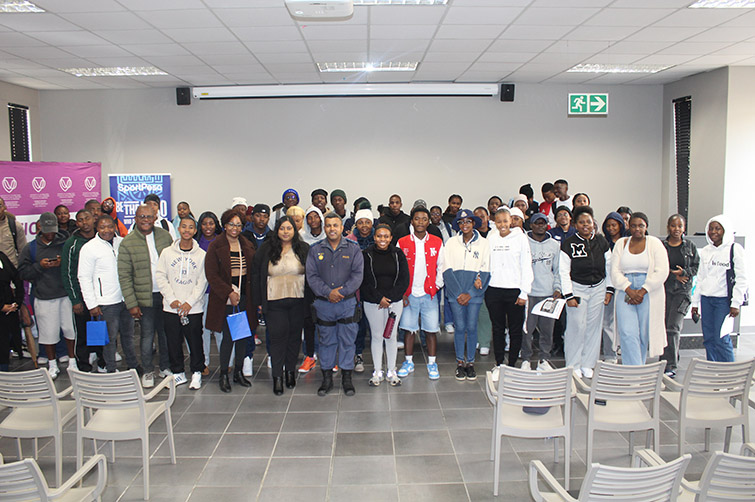 Students and presenters, including Ronelle Arumugam, Samuel Pillay, and Capt Diresh Naidoo, engaged during the UFS Gambling Dialogue programme held across campuses in May 2026.
In an era marked by increasing financial pressure and economic uncertainty, gambling continues to pose significant risks to students’ financial wellbeing, mental health, and academic success. Recognising the growing impact of gambling-related challenges among young people, the Institutional Social Support Service (ISSS) at the University of the Free State (UFS) hosted a Gambling Dialogue programme across all three UFS campuses from 6 to 8 May 2026.
The programme formed part of the office’s ongoing commitment to advancing student wellbeing and academic success through awareness, education, and support initiatives. The Gambling Dialogue aimed to empower students with knowledge about responsible financial behaviour, the dangers of gambling addiction, and the long-term impact gambling can have on academic performance, mental health, relationships, and overall wellbeing.
Promoting responsible gambling awareness
Hosted in collaboration with stakeholders, including SportPesa and the South African Police Service (SAPS), the programme created an engaging platform where students could openly discuss gambling-related challenges and gain practical insight into prevention and support mechanisms.
The first session was presented by Ronelle Arumugam, Compliance Consultant at SportPesa, who focused on responsible gambling practices and the risks associated with gambling among students. Her presentation explored topics such as responsible gambling tools, self-exclusion measures at bookmaker and national level, cooling-off periods, monitoring and intervention triggers, and operator responsibilities.
She also highlighted why students are considered a high-risk group due to factors such as financial pressure, peer influence, and the accessibility of gambling platforms. The session addressed common misconceptions surrounding gambling and encouraged students to make informed and responsible decisions.
Exploring the psychological effects of gambling
The second session was facilitated by Samuel Pillay, who addressed the psychological and behavioural aspects of gambling. His presentation explored the impact of gambling on the brain, dopamine and reward cycles, emotional triggers, and the early warning signs of problem gambling.
Students were also guided on how gambling can negatively affect academic performance, finances, and personal relationships, as well as how to recognise and support individuals who may be at risk.
Understanding the legal consequences
The final session was presented by Capt Diresh Naidoo from the SAPS, who highlighted the legal and social consequences associated with gambling addiction. He spoke candidly about how gambling-related desperation can lead to criminal behaviour such as theft and robbery, often resulting in severe personal and legal consequences.
His presentation encouraged students to avoid harmful financial behaviours and prioritise responsible decision-making.
Encouraging informed student choices
Refiloe Litabe, a Bachelor of Education in Foundation Phase student, said the workshop helped students better understand the dangers associated with gambling.
“The workshop helped us understand the dangers of gambling and how it can affect our studies, finances, and personal wellbeing. The session was informative and encouraged students to make responsible decisions. We appreciate the University of the Free State and the Institutional Social Support Office for creating programmes that support student wellbeing and development.”
The Gambling Dialogue programme reinforced the University of the Free State's commitment to creating a supportive and informed campus environment where students are empowered to make positive life choices. Through collaborative engagement and educational awareness, the initiative encouraged students to prioritise their wellbeing and seek support when faced with financial or emotional challenges.
Thabo Mazibuko, Acting Head of Institutional Social Support Service, said the workshop played an important role in equipping students with knowledge and awareness aimed at preventing the negative influence of gambling on their lives and academic journeys.
“As the Institutional Social Support Office, we remain committed to student development, wellbeing, and the academic success of future leaders through programmes that promote responsible decision-making and holistic student support.”