31 July 2026
|
Story Zoleka Dotwana and Martie Miranda
|
Photo Supplied
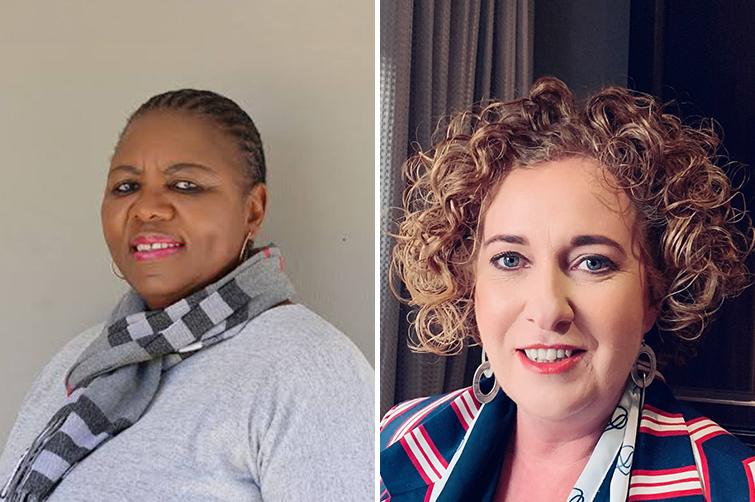 Zoleka Dotwana, Director: Student Affairs, Sport, Arts & Culture, Qwaqwa Campus, and Martie Miranda, Deputy Director: Centre for Universal Access and Disability Support, University of the Free State
Opinion article by Zoleka Dotwana, Director: Student Affairs, Qwaqwa Campus, and Martie Miranda, Deputy Director: Centre for Universal Access and Disability Support, University of the Free State
In an age where inclusivity is crucial to educational reform, the necessity for a sustainable integration strategy within the Division of Student Affairs, Sport, Arts & Culture (DSA-SAC) at the University of the Free State (UFS) is pressing. While we’re starting to engage students from various backgrounds, many continue to feel like outsiders in an environment that should embrace them fully.
When we consider the four pillars of student-centeredness ─ success, well-being, development, and experience ─ it’s essential to ask: Are we genuinely fostering a sense of belonging for all?
Unheard voices
Traditionally, student success has been measured through academic performance, yet emotional, spiritual, and social factors significantly impact achievements. Students who feel isolated or marginalised are often unable to realise their full potential. How can we expect them to thrive when access to extracurricular activities, essential for building community, remains limited? Barriers can be physical, historical, or attitudinal.
Our diverse campus includes black, white, coloured, LGBTQI, and students with disabilities. Yet, a noticeable trend persists: predominantly black students attend most activities, making the presence of minority white students almost negligible. This raises questions about our practices and inclusivity. Are our programmes truly welcoming to all student demographics, or do we need to rethink our strategies to promote social cohesion?
A collective responsibility
Mental health and well-being are increasingly recognised as vital to a thriving educational experience, but they cannot be addressed in isolation. The pressure of feeling invisible or unrepresented can lead to significant stress. Promoting well-being is a collective responsibility, extending beyond counselling services to creating an inclusive environment where all students feel valued.
Why is sign language not incorporated into our activities? Imagine a choir performing a song in sign language or poetry events that celebrate diverse languages. These initiatives would empower students and demonstrate our commitment to inclusivity. If such adaptations are lacking, we must evaluate whether our offices are receptive to student proposals.
Skills for a diverse world
Engaging in student life offers opportunities for personal and professional growth. If programming fails to acknowledge the richness of our student demographics, many miss out on essential skills. Events celebrating various cultures can foster empathy, adaptability, and global awareness ─ skills crucial in today’s interconnected world.
We could implement mentorship programmes that pair students from different backgrounds. Encouraging interaction among those who would not typically connect can break down barriers and foster an empowered environment for sharing unique narratives. An inclusive approach requires a broader range of activities, poetry slams, debates, and more to elevate diverse voices. This is not merely about exposure but fostering a deep-seated eagerness to learn from one another.
The heart of community
The student experience should be a holistic concept that prioritises participation alongside shared joy and connection. Feeling a sense of belonging transcends physical presence; it’s about emotional resonance. Many diverse students feel their voices are drowned out or choose to keep to themselves.
Events should be designed with intentional inclusion in mind, possibly featuring diverse representation in planning committees and culturally competent facilitators. Collaborating with student organisations representing various demographics can ensure programming resonates with a broader audience. After all, effective programming is informed by a needs-based service that centres on students.
Ultimately, the question persists: Where are those whom we do not see? Why might they feel unseen in student activities? DSA-SAC must take deliberate steps to integrate diverse students more thoughtfully into events. By committing genuinely to inclusion ─ not just token gestures ─ we cultivate a community that values each individual, catalysing their success, well-being, development, and experience.
When students feel they genuinely belong, they don’t merely fill seats; they enrich our university tapestry, positioning UFS as a beacon of diversity and community in higher education. It’s time to listen to the silent voices and seize the opportunity to foster a vibrant, interconnected campus culture where all students thrive together.
- Both the authors are members of the Social Justice Working Group at the University of the Free State.